Reduce decisions
Start with trip length, transport, climate, and the bag you plan to carry. A smaller decision set makes it easier to avoid duplicates and last-minute extras.
Packivo Travel Guide
A calm, structured approach to traveling with less friction: build around the bag you are taking, assign every item a clear zone, protect the pieces that matter, and keep arrival essentials easy to reach.
The Packivo Approach
Smart packing is not about forcing more into a bag. It is about reducing decisions, protecting space, and making the things you need easiest to find when the trip becomes busy.
Start with trip length, transport, climate, and the bag you plan to carry. A smaller decision set makes it easier to avoid duplicates and last-minute extras.
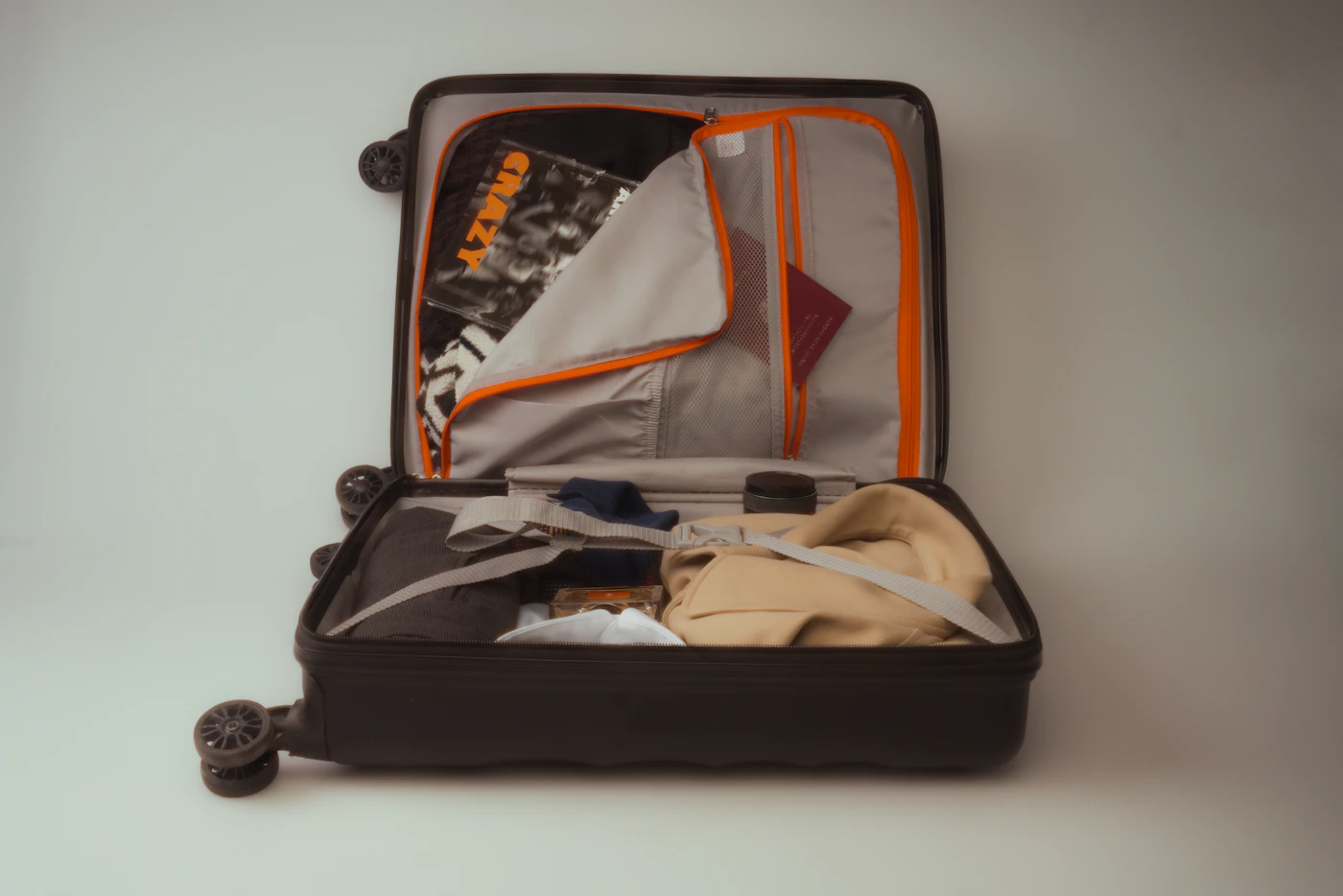
Separate clothing, personal care, comfort, documents, and arrival essentials so every item has a predictable place before you close the bag.
Leave a little breathing room for worn clothing, small purchases, and the natural disorder that appears once the trip is in motion.
Anchor the entire packing plan to one carry-on, checked case, backpack, or weekender. This creates a real physical limit and prevents the packing list from expanding without control.
Plan complete outfits around repeatable layers instead of isolated pieces. Keep the heaviest items on your body when practical and reserve packed space for flexible combinations.
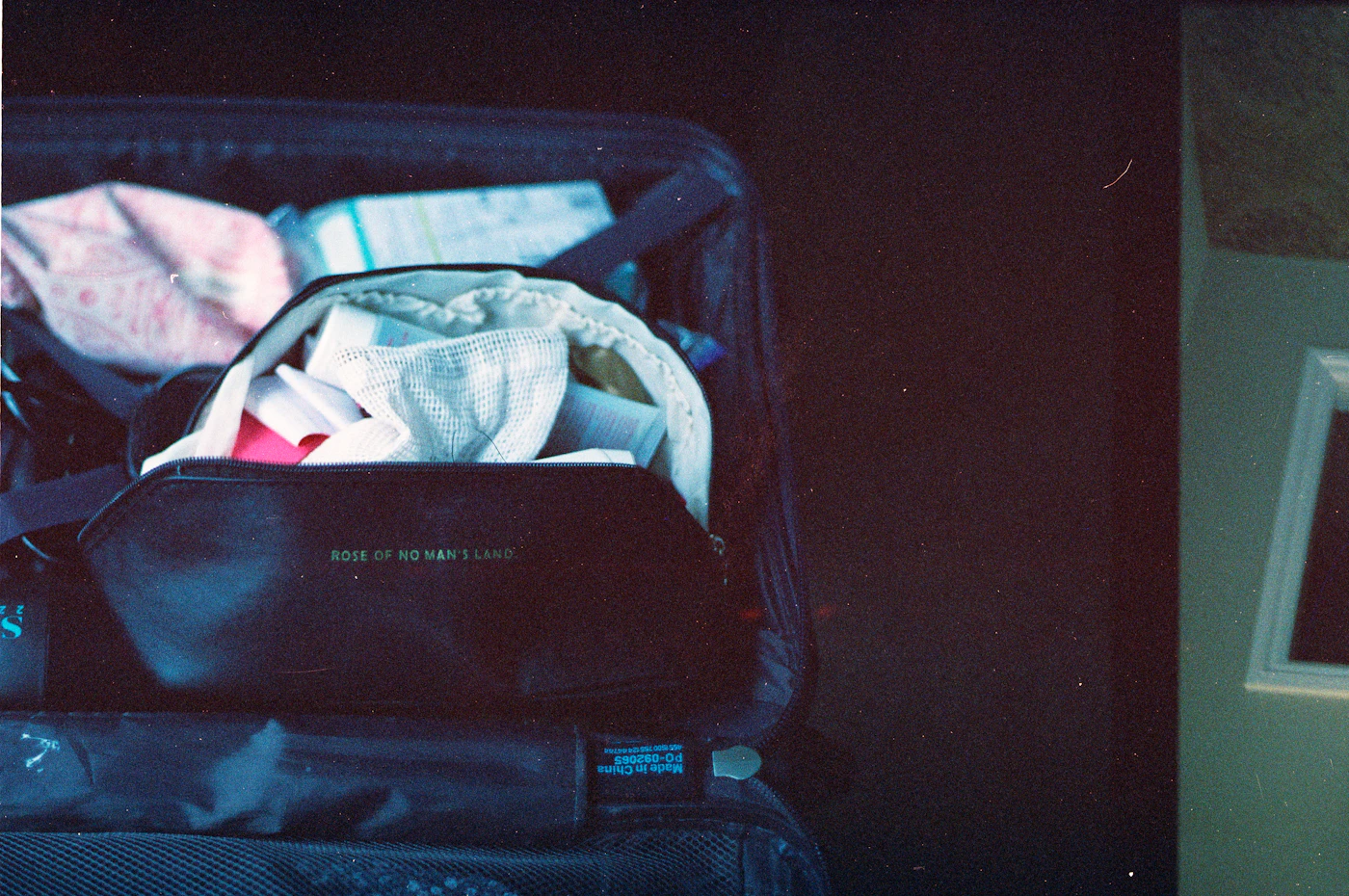
Group liquids, cosmetics, medication, and small hygiene pieces into dedicated cases. Separate anything that could leak, and keep first-use essentials near the top of the bag.
Place your pillow, eye mask, earplug case, charging essentials, and documents where you can reach them without opening the main packing zone.
Check closure, balance, luggage weight, protected surfaces, and first-arrival access before leaving. Airline limits vary, so confirm current baggage requirements directly with your carrier.
Four Packing Zones
Zoning keeps the bag readable. When you know where categories belong, unpacking, repacking, and security checks become calmer.
Clothing, shoes, and garment pieces arranged around complete outfits and repeatable layers.
Toiletries, cosmetics, travel bottles, medication, and small personal-care items.
Travel pillow, eye mask, earplug case, and compact in-transit comfort pieces.
Luggage cover, scale, documents, and items used at departure or arrival.
Before You Close It
The most useful packing layout is one you can understand quickly after a long travel day. Visibility, grouping, and a little reserve space matter more than perfect compression.
Packing Gear Guide
Packivo focuses on luggage, travel bags, personal-care storage, comfort, and small accessories that make a packing system easier to repeat.
Build around a compact, fast-moving setup for shorter trips and overhead storage. Use internal zones to protect space for arrival essentials.
Use for longer travel, bulkier clothing, or extra footwear. Balance weight across the base and keep fragile items away from hard edges.
Keep dense items close to the back panel and frequently used pieces in reachable pockets. Avoid loose small items that disappear at the bottom.
Ideal for flexible short-trip packing when fast access matters. Use smaller cases to prevent the main compartment from becoming one large mixed zone.
Keep the pillow outside your main clothing stack so it is available during transit without opening a fully packed case.
Store in a clean, predictable pouch or pocket. Pair it with your earplug case so your sleep kit travels as one small unit.
A dedicated case helps keep small earplugs clean, findable, and separate from loose pocket items during repeated travel days.
Contain daily hygiene items in one removable kit. Keep leak-prone items upright when possible and separate them from electronics or documents.
Use divided storage for makeup and grooming tools so delicate pieces are protected and easy to find without opening the full suitcase.
Keep routine medication or supplements organized in a dedicated case and follow any applicable travel or prescription documentation requirements.
Use a cover to help shield the exterior of your suitcase from scuffs and handling marks while keeping the case easy to identify.
Weigh luggage before leaving and again before the return trip. Carrier baggage rules vary, so confirm current limits directly before departure.
Use for structured clothing that benefits from fewer folds. Keep hangable pieces together and minimize pressure from heavier items.
Decant only what you expect to use, label where helpful, and place bottles inside a secondary toiletry barrier to reduce leak risk.
Trip Profiles
The core method stays the same. Only the bag, available space, clothing volume, and access priorities need to change.
Use one carry-on plus a compact personal item. Prioritize repeatable clothing, minimal liquids, and a clear top layer for security and arrival.
Start with Carry-Ons →Build a heavier base, protect delicate items in the center, and keep an arrival kit outside the checked bag in case plans change.
Review Checked Luggage →Use a weekender with two internal groups: clothing and care. Keep comfort items in a side pocket and avoid unnecessary backup options.
See Weekender Bags →Protect structured clothing with a garment solution, keep grooming items compact, and reserve an easy-access zone for documents and daily tech.
Review Garment Bags →Create a transit kit with a pillow, eye mask, earplug case, personal-care refresh items, and a change of essentials within easy reach.
Build a Comfort Kit →Reweigh luggage, separate worn clothing, protect purchases, and avoid forcing the original packing layout when the contents have changed.
Use a Luggage Scale →Final Packing Checklist
Use this as a practical final pass. It is intentionally simple so it can work for a weekend trip, a business trip, or a longer journey.
Packing Principles
These principles are designed to stay useful across different bags, trip lengths, and travel styles.
A tightly packed bag can still be difficult to use. Keep enough visual order that you can identify categories without unpacking everything.
Items needed during transit belong near the top or in external pockets. Items needed only at the destination can sit deeper in the main compartment.
Earplugs, medication, cosmetics, chargers, and adapters are easier to manage when grouped into dedicated cases instead of distributed across loose pockets.
Dense items are generally easier to manage when placed low and closer to the center of the bag rather than concentrated on one edge.
Travel bottles and toiletries should live inside a dedicated bag so a leak is easier to contain and clean.
Laundry, receipts, small purchases, and partially used products change the packing geometry. Reserve flexibility instead of expecting a perfect repeat.
Smart packing keeps contingency options controlled. Duplicate everything and the bag becomes a storage unit instead of a travel tool.
Airline baggage allowances, security procedures, and destination requirements can change. Verify current rules with the relevant official source.
Garment bags and careful placement help jackets, dresses, and formalwear avoid unnecessary compression.
Comfort and arrival essentials should be able to function without opening your full suitcase.
A defined laundry zone keeps worn clothing from spreading through organized packing areas.
After each trip, notice what you did not use. Removing repeated non-use items is one of the easiest ways to improve future packing.
Featured Offer
Build a practical travel setup around the pieces you will use repeatedly: luggage, personal-care organization, comfort, and protection.
Smart Packing FAQ
The questions below stay collapsed by default so you can open only what is relevant to your trip.
Choose the bag first, then work backward from its real capacity. Group items by clothing, care, comfort, and protection so every category has a defined place before you add extras.
Plan complete outfits, favor repeatable layers, limit backup options, and keep personal-care quantities realistic for the trip length. If the bag is difficult to close before departure, remove low-priority items rather than relying on compression alone.
Keep toiletries and travel bottles together in a dedicated toiletry bag, ideally with a secondary barrier for leak-prone liquids. Place the kit where it can be removed without disturbing the full clothing stack.
Use a cosmetic case with internal organization so delicate items do not move freely through the suitcase. Keep liquids and powders protected, and avoid placing heavy objects directly against fragile containers.
Documents, wallet, phone, charging essentials, medication, a travel pillow, eye mask, earplug case, and a small personal-care refresh kit are good candidates for an easy-access zone.
A garment bag is useful for structured clothing such as suits, dresses, or pieces that benefit from fewer folds. It can also keep formalwear separate from shoes and personal-care items.
A luggage scale helps you check bag weight before departure and before the return journey. Airline baggage rules vary, so always confirm current limits directly with your carrier.
No. A luggage cover can help protect the outside of a suitcase from handling marks, but internal organization, balanced weight, and secure closures still matter.
Reserve some flexible space, separate worn clothing, recheck bag weight, and protect any new purchases. The return load is often shaped differently from the outbound load.
Packivo provides 24/7 customer support. Use the Contact link in the footer to reach the support page for order or product assistance.