Move with less friction.
Build one clear travel system around the bag you carry, the essentials you need, and the environment ahead.
Leave the routine behind without bringing the clutter with you. Packivo brings a calmer approach to outdoor travel with practical luggage, flexible carry systems, compact personal-care storage, and thoughtfully organized essentials for cabins, trails, countryside drives, lakeside weekends, and open-air stays.
Build one clear travel system around the bag you carry, the essentials you need, and the environment ahead.
Separate clothing, personal care, comfort items, and small accessories before they enter your luggage.
Use compact bags and accessible cases that remain useful from the drive to the trailhead and through the stay.
Outdoor escapes have a different rhythm from city travel. The destination may be quieter, the schedule may be looser, and the space available for your belongings may be smaller. A practical packing system helps you spend less time searching, sorting, and repacking so more of the trip can remain focused on the place itself.
Rather than packing for every possibility, organize around layers of use. Start with your primary luggage. Add a backpack or weekender for flexible movement. Keep personal care in dedicated cases. Store small essentials where they are easy to identify. Then reserve the most accessible space for anything you may want during the journey.
Carry-ons, checked luggage, backpacks, and weekender bags each support a different kind of outdoor itinerary.
A backpack gives you a lighter carry option when the larger luggage can remain at your accommodation.
Toiletry bags, cosmetic cases, pill cases, and travel bottles keep routines compact and easier to manage.
Travel pillows, eye masks, and earplug cases can help keep transit and downtime more comfortable.
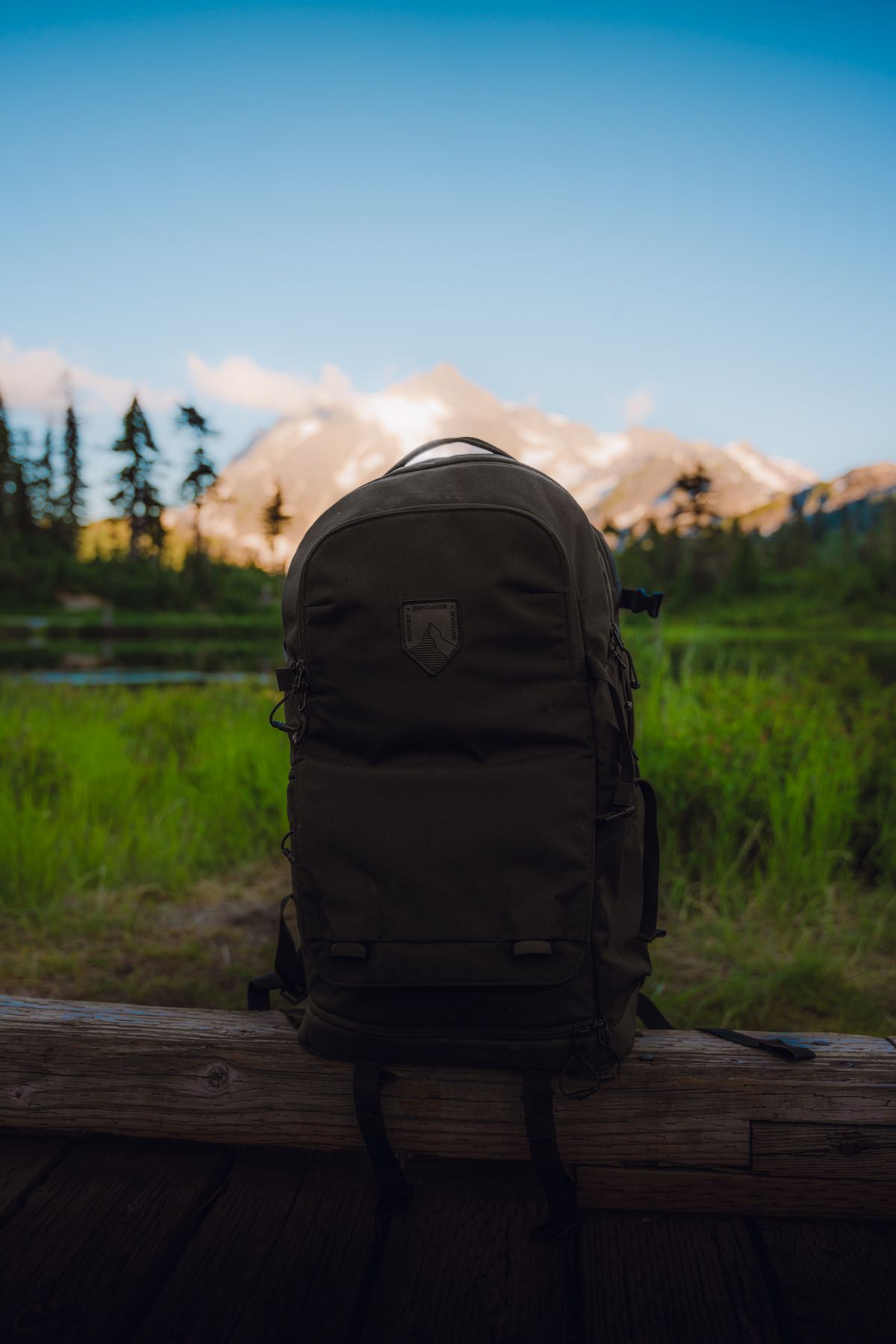
Once you arrive, the best travel setup should become smaller. Leave larger luggage at your base and use a backpack for the pieces you actually need while moving through the day. This creates a natural division between stored belongings and active-use essentials.
Keep frequently used accessories together so you do not need to repeatedly open or reorganize your primary luggage.
Avoid overfilling before departure. A little open capacity makes repacking easier and gives you space to separate worn clothing on the return trip.
Cases and pouches reduce loose-item clutter and make it easier to identify what is missing before you leave a stop.
Outdoor travel can be relaxed, active, or somewhere between. The most useful luggage setup responds to how often you will move, how much you need to carry, and how quickly you want to access it.
Use a weekender or carry-on for your main belongings, then keep a smaller backpack ready for walks, local drives, and short daytime outings.
Start with an adaptable backpack or compact carry-on and keep personal-care pieces contained so your main compartment stays simple and easy to repack.
A road trip allows more freedom, but organization still matters. Use luggage for the stay and a dedicated smaller bag for anything you may want during the drive.
Instead of treating every product as a separate item, build a layered system in which each category has a clear role before, during, and after the trip.
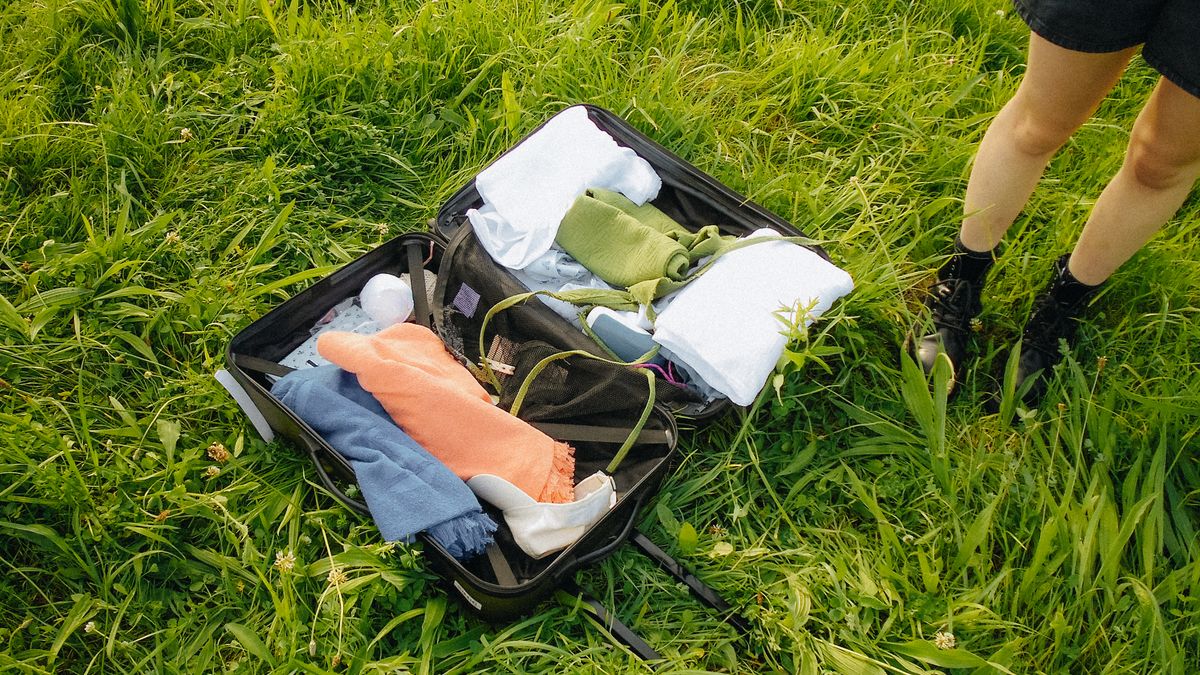
Outdoor weekends often involve more transitions than expected: leaving home, stopping on the road, arriving at a cabin or hotel, heading outside, returning for the evening, and packing again. A readable interior makes those transitions easier because everything has a predictable place.
Use garment storage when needed and avoid spreading small accessories between multiple clothing layers.
Place toiletries, cosmetics, travel bottles, and medication in dedicated storage so the routine can move as one unit.
Open capacity makes it easier to separate worn pieces, accommodate small purchases, and repack without forcing everything into an overfilled bag.
A well-packed bag is useful because it continues working after arrival. These simple stages help keep the travel setup organized across a full outdoor weekend.
Start with the planned activities, likely weather, length of stay, and the amount of movement involved. Select clothing and personal items around those realities rather than adding unnecessary backup options.
Place medication, comfort accessories, small personal-care essentials, and anything needed during the journey in the most accessible part of your luggage or backpack.
Remove what you need for the stay while leaving the rest of the luggage organized. A short outdoor escape rarely requires every item to leave the suitcase at once.
Use a backpack for practical daily essentials and leave your larger luggage behind. A lighter system keeps the day focused on movement rather than managing belongings.
Return personal-care items to their cases, separate worn clothing, check smaller storage pieces, and confirm that accessories are back in their expected places before closing the bag.
When the luggage remains organized through the journey, clothing, toiletries, accessories, and travel containers can move directly back into their regular storage at home.
Review the structure of the bag rather than counting every individual object. When the major categories are covered, the last-minute packing process becomes shorter and clearer.
Match your carry-on, checked luggage, weekender, or backpack to the trip length and transportation plan.
Keep a smaller carry option ready for walks, day trips, local stops, and other activities away from your base.
Keep clothing organized by use and place wrinkle-sensitive pieces in a garment bag when extra structure is helpful.
Toiletry bags, cosmetic cases, and travel bottles keep daily routines together instead of scattered through the luggage.
Keep your travel pill case in a consistent and easy-to-reach location rather than loose inside a larger compartment.
Position your travel pillow, eye mask, and earplug case where they can be reached without reorganizing the whole bag.
Use a luggage scale when weight limits matter or when you expect your bag to be heavier on the journey home.
Leave enough open capacity for used clothing, small purchases, and items that need to remain separate after the trip.
Refine your outdoor travel setup with Packivo essentials for organized packing, flexible luggage, practical personal-care storage, and more comfortable movement from the road to the stay.
The logistics around your order should feel as clear as the packing system itself, with straightforward delivery, shipping, returns, exchanges, and customer support.
Every Packivo product includes free shipping.
Orders are delivered within an estimated 3–5 business days.
Eligible orders include free returns and exchanges within 30 days.
Customer support is available around the clock when assistance is needed.
A considered outdoor setup begins with practical choices about luggage size, organization, comfort, and how the bag will be used after arrival.
A carry-on or weekender works well for many short trips, while a backpack is useful when you expect to move frequently. Checked luggage can be practical when additional clothing, equipment, or a longer stay requires more capacity.
Using both can create a helpful two-layer system. Your main luggage can remain at your accommodation while the backpack carries only the essentials needed during daily activities.
Keep toiletries, cosmetics, travel bottles, and medication in dedicated cases. Grouping these items creates a single personal-care zone that is easier to move, check, and repack.
Keep medication, comfort accessories, important personal items, and anything you expect to use before arrival close to the top of your luggage or inside an accessible backpack.
A luggage scale is useful when baggage weight limits apply, especially for air travel or when your luggage may become heavier during the return journey.
Packivo orders are delivered within an estimated 3–5 business days, and shipping is free on all products.
Packivo provides free returns and exchanges within 30 days for eligible orders.
Yes. Packivo provides 24/7 customer support for questions about shopping, orders, delivery, returns, and exchanges.